Understanding Nutrition Myths and Facts
An educational resource exploring common misconceptions about food and nutrition
Learn more
Introduction to Nutrition Misconceptions
Nutrition information can be confusing, with countless claims circulating about what foods are healthy or unhealthy. Many popular beliefs about nutrition lack scientific support, while evidence-based facts often contradict widely held assumptions.
This educational resource aims to clarify common nutrition myths by presenting information based on scientific research. Understanding the difference between myth and fact can help individuals make more informed decisions about their dietary choices.
The field of nutrition science is complex and constantly evolving. What may seem like straightforward advice often has nuances that are important to understand.
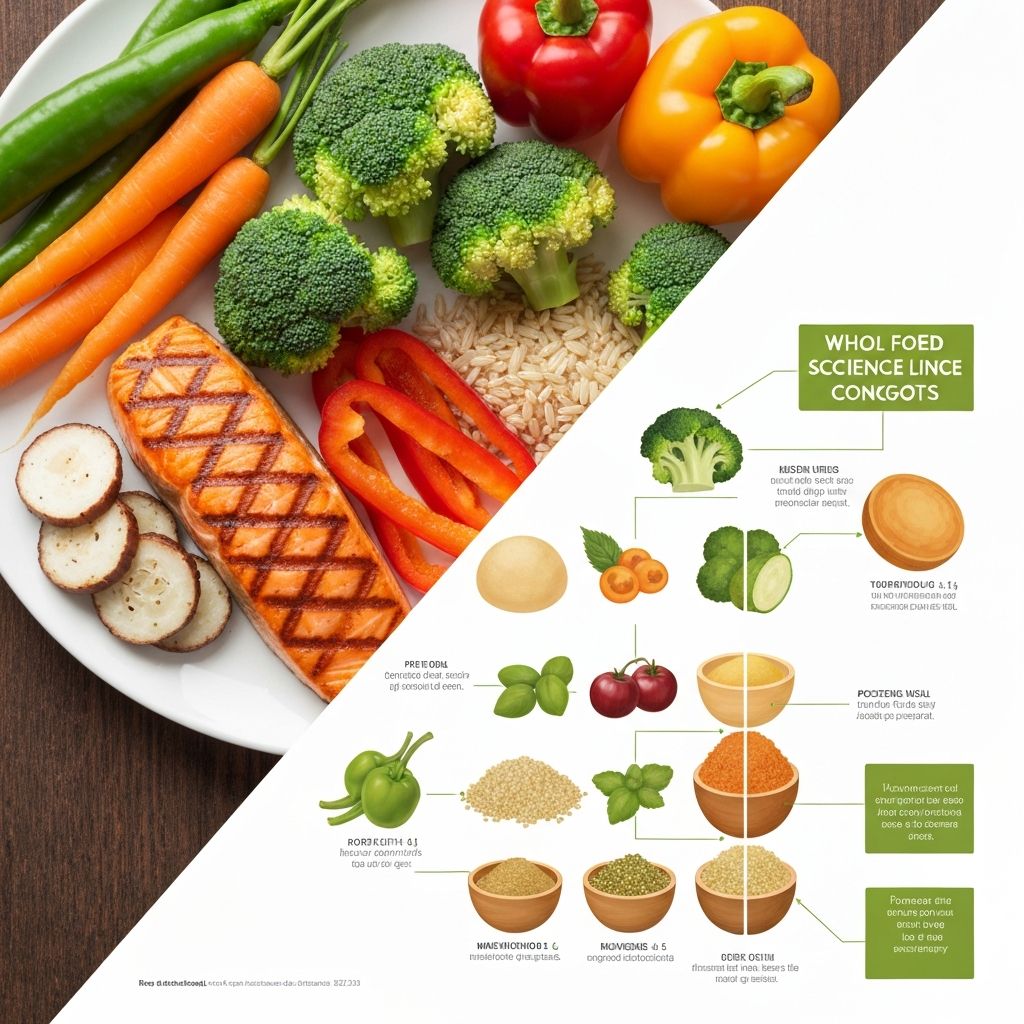
Evidence-Based Facts vs Myths
Common Myth Examples
Various nutrition claims circulate in popular media without scientific backing. Some examples include oversimplified statements about specific foods causing or preventing health conditions, claims that certain eating patterns guarantee specific outcomes, or assertions that particular nutrients should be completely avoided.
Scientific Evidence
Research in nutrition science examines how different foods and eating patterns relate to health outcomes. Scientific studies consider multiple factors and acknowledge that individual responses to food can vary based on numerous variables including genetics, lifestyle, and existing health status.
Evidence-based information comes from peer-reviewed research, systematic reviews, and meta-analyses conducted by qualified researchers in the field of nutrition science.
How to Evaluate Nutrition Claims
Consider the Source
Examine where nutrition information originates. Scientific studies published in peer-reviewed journals undergo rigorous evaluation by experts in the field. Information from qualified nutrition scientists and registered dietitians typically reflects current scientific understanding.
Be cautious of claims that seem to promise guaranteed results or oversimplify complex nutritional concepts.
Look for Evidence
Reliable nutrition information is supported by multiple well-designed studies rather than a single experiment. Scientific consensus develops over time as research accumulates and is replicated by different research groups.
Be aware that individual studies may have limitations, and headlines about research findings sometimes oversimplify or misrepresent the actual study results.
Understand Context
Nutrition research findings should be understood within their full context. Studies may examine specific populations, particular conditions, or controlled environments that may not directly translate to all situations.
The relationship between diet and health is influenced by many factors, making it difficult to isolate the effect of any single food or nutrient.
Be Skeptical of Absolutes
Nutrition science rarely supports absolute statements. Claims that label specific foods as entirely good or bad, or that promise guaranteed outcomes, often oversimplify the complex relationship between diet and health.
Scientific understanding of nutrition continues to develop as new research emerges and methodologies improve.

Examples of Widespread Myths
Many nutrition myths persist despite lacking scientific support. These misconceptions often oversimplify complex nutritional concepts or are based on outdated information.
Carbohydrates and Weight
A common myth suggests that all carbohydrates should be avoided for weight management. Scientific evidence indicates that the relationship between carbohydrates and body weight is more complex, involving factors such as overall calorie intake, carbohydrate type, and individual metabolism.
Fat in Foods
Historical dietary advice often recommended avoiding all fats. Current scientific understanding recognizes that different types of fats have different effects on health, and some fats play important roles in bodily functions.
Eating Frequency
Various claims exist about optimal meal frequency. Research suggests that total daily intake and food quality are more relevant factors than the specific timing or frequency of meals, though individual preferences and responses vary.
Explore furtherFeatured Educational Articles

Vegetable Myths Explained
Exploring common misconceptions about vegetables and what scientific research actually shows about their nutritional properties.
Read in detail
Understanding Whole Grains
Examining claims about whole grains and refined grains, and what nutritional science reveals about different grain types.
Read in detail
Facts About Dietary Fats
Clarifying misconceptions about fats in food and understanding what current research shows about different fat types.
Read in detailFrequently Asked Questions
What is the purpose of this website?
This website provides educational information about common nutrition myths and evidence-based facts. It is designed to help readers understand how to evaluate nutrition claims and distinguish between scientific evidence and popular misconceptions.
Is this medical advice?
No, this website provides educational information only. It does not offer medical advice, diagnosis, or treatment recommendations. Individual dietary decisions should consider personal health circumstances and professional guidance when needed.
How is nutrition information verified?
Information presented on this website is based on published scientific research and evidence-based sources. Nutrition science is a developing field, and understanding continues to evolve as new research emerges.
Can I rely on this information for my diet?
This website provides educational context about nutrition science. Individual dietary choices depend on many personal factors. This information is not intended to replace individual assessment or professional consultation.
Why do nutrition recommendations change?
Nutrition science advances as new research methods are developed and more studies are conducted. Scientific understanding evolves over time, which can lead to refinements in nutritional guidance as evidence accumulates.
Where does nutrition information come from?
Nutrition information is derived from scientific research conducted by qualified researchers and published in peer-reviewed journals. This research examines relationships between dietary factors and health outcomes using various study methodologies.
Limitations and Context
The information on this website is educational in nature and describes general concepts in nutrition science. It is not intended as individual advice or recommendations for specific dietary choices.
Nutrition research examines populations and patterns, and individual responses to foods can vary based on numerous factors including genetics, health status, lifestyle, and personal circumstances.
This website does not provide medical services, dietary planning, or personalized recommendations. Individuals making dietary decisions should consider their own circumstances and consult qualified professionals when appropriate.
The content presented here represents current scientific understanding, which may evolve as new research emerges. Different approaches to nutrition exist, and scientific consensus continues to develop in this field.