Facts About Dietary Fats
February 2026
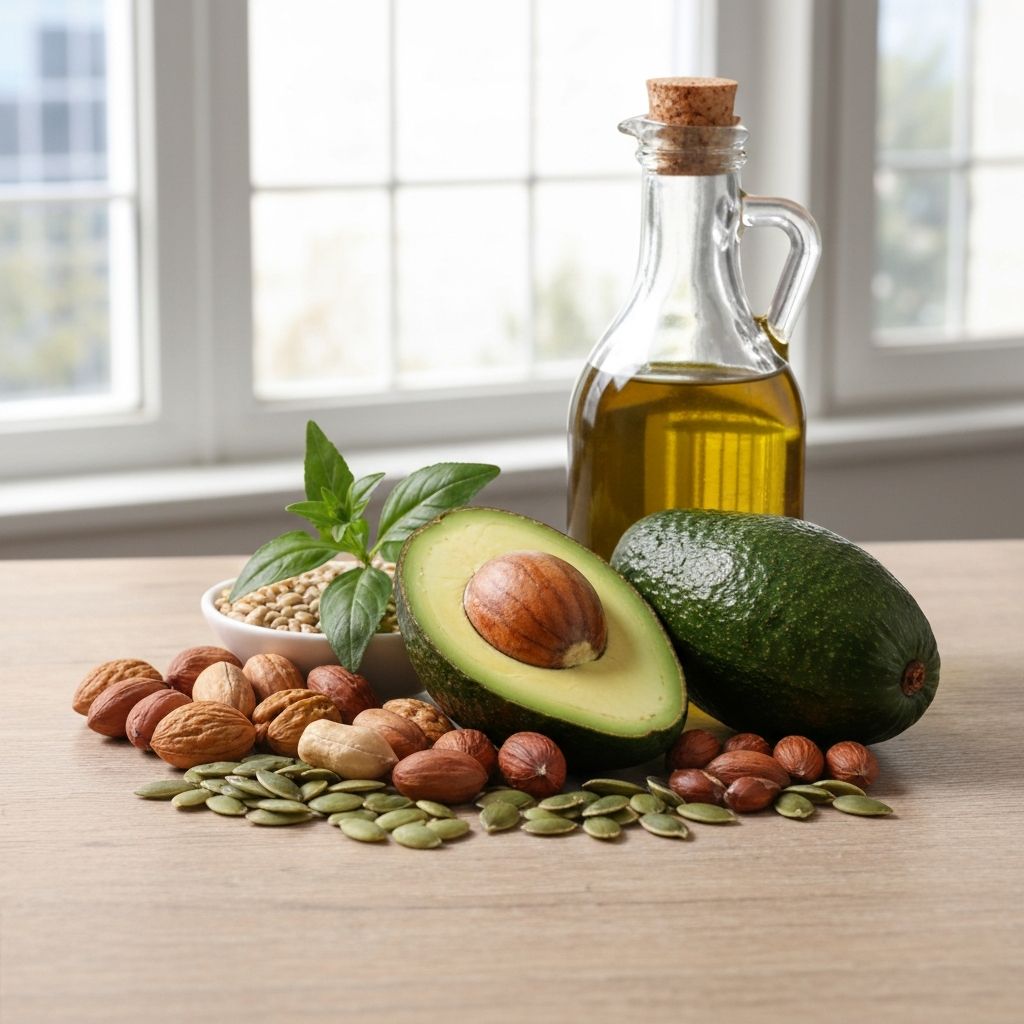
Evolution of Fat Recommendations
Dietary recommendations regarding fats have changed substantially over recent decades as nutrition science has advanced. Historical advice often promoted avoiding all dietary fats, while current scientific understanding recognizes more nuanced relationships between different types of fats and health.
This shift in perspective reflects how nutrition science develops over time as research methods improve and more evidence accumulates. Understanding this evolution helps explain why fat recommendations have changed and what current research indicates.
Myth: All Fats Are Equally Unhealthy
A persistent misconception treats all dietary fats as equally problematic. Scientific research has demonstrated that different types of fats have different chemical structures and different relationships with health outcomes.
Fats are classified into categories including saturated fats, monounsaturated fats, polyunsaturated fats, and trans fats. These categories have different chemical properties and appear to interact differently with various aspects of metabolism and physiology.
Research examining specific fat types rather than dietary fat in general provides more nuanced information than blanket statements about all fats. The evidence does not support treating all fats as identical.
Myth: Fat-Free Products Are Always Healthier
The promotion of fat-free products in past decades created an assumption that removing fat automatically improves food healthfulness. However, the nutritional quality of fat-free products depends on what replaces the fat and the overall nutritional profile.
When fat is removed from foods, manufacturers often add other ingredients to maintain taste and texture. These substitutions may include added sugars or refined carbohydrates. The resulting product may have a different nutritional profile that is not necessarily superior.
Research comparing dietary patterns that differ in fat content shows complex results that depend on the specific foods consumed and what replaces fat in the diet. Simply removing fat does not guarantee nutritional improvement.
Myth: Dietary Fat Directly Becomes Body Fat
A common misunderstanding assumes that eating fat directly causes fat storage in the body. The relationship between dietary fat intake and body fat accumulation is more complex than this simple equation suggests.
Body fat accumulation results from energy balance over time, involving total calorie intake, calorie expenditure, hormonal factors, metabolic processes, and individual variations in how the body processes and stores energy from different nutrient sources.
Different macronutrients including fats, carbohydrates, and proteins can all contribute to energy intake. The body processes these nutrients through complex metabolic pathways. Research indicates that overall energy balance and dietary pattern matter more than the specific proportion of fat in isolation.
Understanding Different Fat Types
Scientific research examines various categories of dietary fats and their relationships with health markers. While this research provides useful information, it is important to understand these findings in context.
Trans fats, particularly artificially produced trans fats, have been associated with adverse health markers in research studies. This evidence has led to regulatory actions in many countries to reduce or eliminate artificial trans fats from the food supply.
Research on saturated fats, monounsaturated fats, and polyunsaturated fats shows more complex patterns. The relationship between these fat types and health outcomes appears to depend on multiple factors including overall dietary context, specific food sources, and individual characteristics.
The Role of Food Context
Examining isolated nutrients like specific fat types provides limited information compared to studying whole foods and dietary patterns. Fats in foods come packaged with other nutrients and compounds that may influence how the body processes them.
For example, fats consumed as part of nuts, fish, dairy products, or cooking oils exist in different nutritional contexts. Research increasingly examines food sources rather than isolated nutrients to better understand real-world dietary relationships.
The overall quality and pattern of someone's diet appears more relevant to health outcomes than the specific percentage of calories from fat in isolation. What matters is the types of foods consumed, not just the macronutrient proportions.
Individual Variation in Fat Metabolism
People vary in how they metabolize and respond to dietary fats. Genetic factors, existing health status, activity levels, gut microbiome composition, and other variables influence individual responses.
What represents an appropriate fat intake for one person may differ for another based on these individual factors. Research examining population averages provides general information but cannot determine optimal choices for specific individuals.
The developing field of personalized nutrition recognizes this individual variation, though current science cannot yet provide comprehensive personalized fat recommendations for most people.
Current Scientific Perspectives
Current nutrition science generally recognizes that the type and food source of dietary fats matter more than simply total fat intake. However, specific recommendations continue to evolve as research accumulates.
Scientific consensus has moved away from very low-fat dietary advice toward recognition that fats from certain food sources can be part of healthful dietary patterns. However, debate continues about optimal amounts and types of fats.
This ongoing scientific discussion reflects the complexity of nutrition research and the time required to develop robust evidence. Acknowledging uncertainty where it exists represents good scientific practice rather than a weakness.
Educational Context and Limitations
This article presents educational information about dietary fats based on scientific research. It describes general concepts and research findings, not individual recommendations or advice.
Individual dietary needs and responses vary based on many personal factors. This information does not constitute dietary planning, medical advice, or personalized guidance.
The science of nutrition continues to develop, and understanding may evolve as new research emerges. The content presented reflects current scientific perspectives while acknowledging ongoing research and areas of scientific discussion.